
Madagascar: A Mini Continent of Diversity
Recorded Video Script
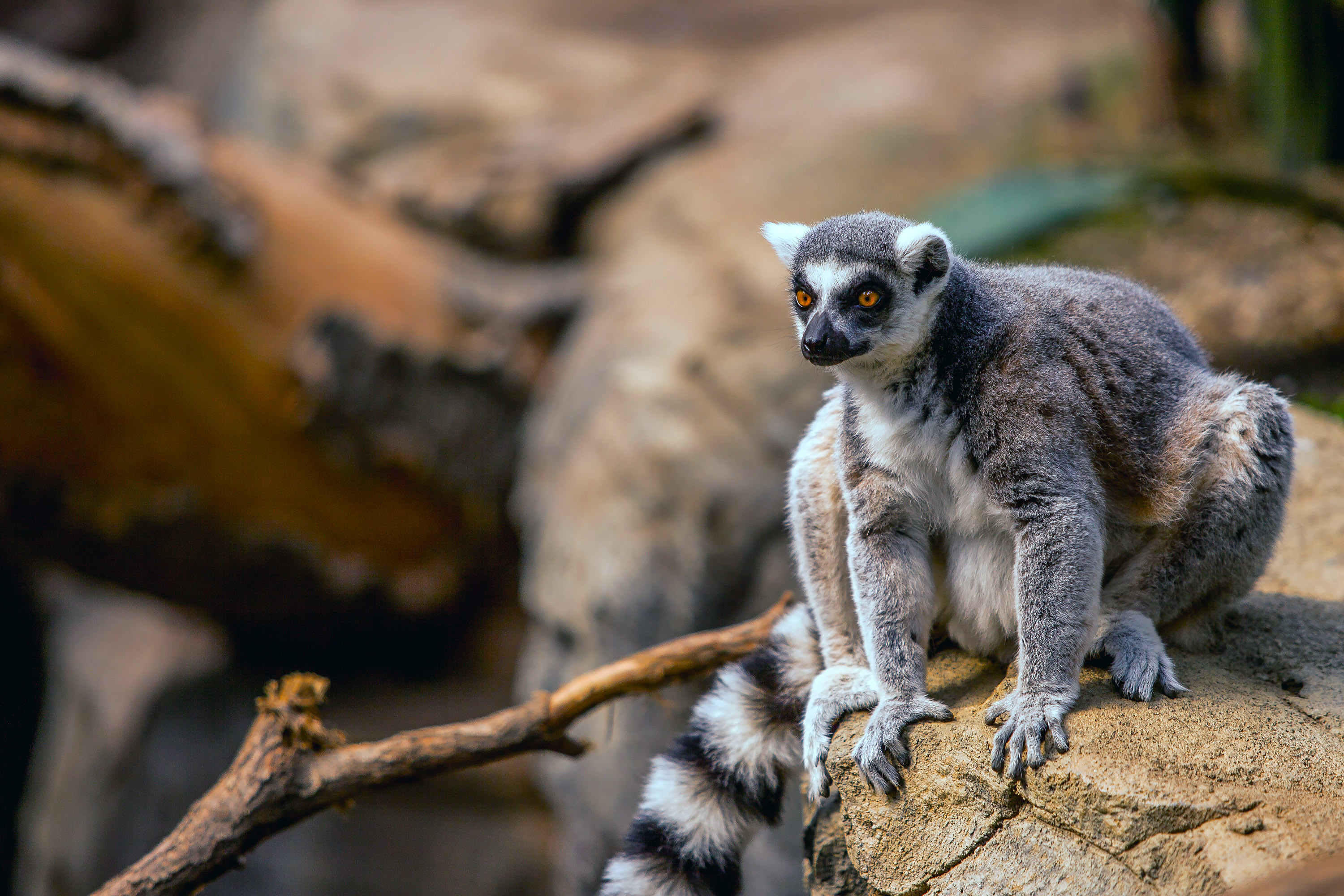
Hey there, travel enthusiasts! So, you're curious about Madagascar? Let's dive into everything you need to know about this incredible island. First off, Madagascar is the world's fourth largest island, often called a mini-continent because of its diverse landscapes. From lush rainforests to arid zones and breathtaking coastlines, it's a remote paradise just waiting to be explored. Madagascar's isolation has led to an astounding biodiversity, with 90% of its species found nowhere else on Earth. Now let's talk lemurs. Madagascar is the only place you'll find these fascinating creatures, the world's oldest living primates. With over 100 species, from tiny mouse lemurs to the larger indries, their diversity is astonishing. Chameleons? Madagascar has nearly half of the world's species, including both the largest and smallest. From the impressive Parsons chameleon to the tiny Brachysia nana, these unique reptiles thrive in the island's diverse habitats. Meet the fossa, Madagascar's apex predator. With its cat-like paws and weasel-like ears, the fossa is a master hunter, especially of lemurs. and who could forget the iconic baobab trees? These towering giants, some over 1,000 years old, symbols of the island's unique biodiversity and provide essential human and animal resources. The Malagasy people, with roots in Southeast Asia, Africa and India, have lived here for around 1,300 years. Exploring Antananarivo and meeting the locals offers a real glimpse into the heart of Madagascar. Roma Zaba, Madagascar's national dish, is a meat stew with a spicy blend of green vegetables, chilies, and ginger. Lastly, Madagascar offers world-class beaches, especially on its smaller islands. Ready to pack your bags? Safe travels!

Comments
No comments yet. Be the first to comment!